
RESEARCHING INTERNAL DISPLACEMENT
Researching Internal Displacement connects researchers, practitioners, policy-makers, students, artists and people from displacement-affected communities with cutting-edge research, analysis, creative materials and other resources on internal displacement. It aims to raise the profile and understanding of internal displacement and the situations faced by IDPs globally.
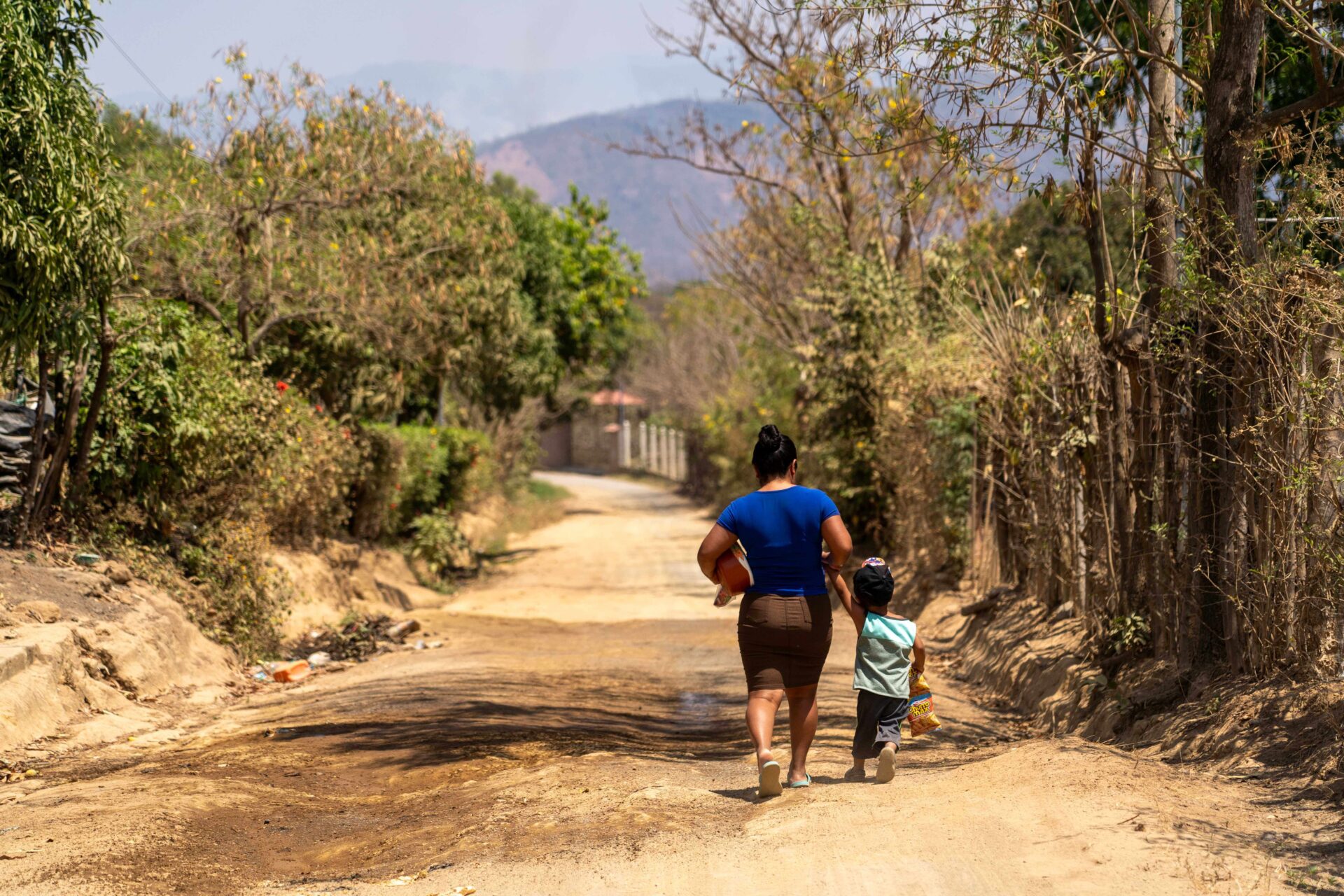
El Salvador. Climate change in La Danta Mocha 2024 © UNHCR/Markel Redondo
Researching Internal Displacement is also a central hub for linked international research networks on internal displacement: Internal Displacement Research Programme (IDRP); Global Engagement Network on Internal Displacement in Africa (GENIDA); Middle East Research Network on Internal Displacement (MERNID); Latin American Network on Internal Displacement (LANID); and the Health and Internal Displacement Network (HIDN).
The site provides the networks with a shared webspace and facilitates sharing, reviewing and disseminating the latest research, writing and creative materials by their membership and by others interested in internal displacement. Each network is open to new members and promotes engagement with different aspects of internal displacement research, particularly by people living in countries affected by internal displacement. All networks host regular events, promote research and publication, and feed into policy and practice
Researching Internal Displacement is an independent site managed by the leads of each network working jointly with the editors on the website Coordination Team.
LATEST PUBLICATIONS
From Our Home in Gardi Sugdub and Isberyala: A Community Perspective on Planned Relocation in Panama
By Elliot Brown Rivera (Translated from Spanish by Sarah Koeltzow)
| October 15, 2026
This third article in the miniseries, Towards Dignified Climate Relocation: Community Perspectives from around the Globe, highlights the complexities of the planned relocation of the Guna island community in Panama, as they moved from their island of Gardi Sugdub to the mainland site of Isberyala. The author, an Indigenous leader, community member and trained biologist, played an important role in bridging government assessments and requirements with the Indigenous community’s distinctive worldview, spirituality, and ancestral knowledge—dimensions impossible to capture through externally conducted technical studies.
The Guna experience demonstrates that communities have the capacity to lead complex processes when they receive recognition, resources, and technical assistance. However, a truly successful planned relocation should not be measured by the completion or delivery of houses but by families' ability to adapt and live dignified and sustainable lives in their new homes. Outcomes at the new site must be evaluated over time and across generations.
The series is published in collaboration with the Coalition on Dignified Climate Relocation.
Read More
More Than a Roof: Promises, Practices, and the Realities of Project HARSHAM in Wayanad, India
By Rahmath Beevi Kunnummal and Mohammed Firoz C
| October 8, 2026
This second article in RID's miniseries, Towards Dignified Climate Relocation: Community Perspectives from around the Globe, is an insightful analysis of the challenges faced by community members involved in a planned relocation initiated after the Puthumala landslide of 2019 in Wayanad, Kerala, India. Written by researchers who have worked with this community, the article details the challenges the community faced both during relocation and five years after moving to their new site, including promises made, implementation problems and the difficult realities of everyday life after relocation. Through the account, the authors spotlight important lessons for governments, non-governmental actors, and communities themselves about prioritising a community's shared infrastructure during development, livelihoods and access to employment, and access to grievance and feedback mechanisms. Above all, this article shows that planned relocation processes do not end when a new house is constructed; they require long-term support and monitoring for many years to come.
The series is published in collaboration with the Coalition on Dignified Climate Relocation.
Read More
Our Funders
This platform was established with support from the UK Research
and Innovation Global Challenges Research Fund (AH/T005351/1).

IDP TRAINING
Our free course in ‘Internal Displacement, Conflict and Protection’
Find out more
IDRP
Internal Displacement Research Programme
Find out more
HIDN
Health and Internal Displacement Network
Find out more
GENIDA
Global Engagement
Network on Internal Displacement in Africa
Find out more
LANID
Latin American Network on Internal Displacement
Find out more
MERNID
Middle East Research Network on Internal Displacement
Find out more
IDP TRAINING
Our free course in ‘Internal Displacement, Conflict and Protection’
Find out more
IDRP
Internal Displacement Research Programme
Find out more
HIDN
Health and Internal Displacement Network
Find out more
GENIDA
Global Engagement
Network on Internal Displacement in Africa
Find out more
LANID
Latin American Network on Internal Displacement
Find out more
MERNID
Middle East Research Network on Internal Displacement
Find out more