
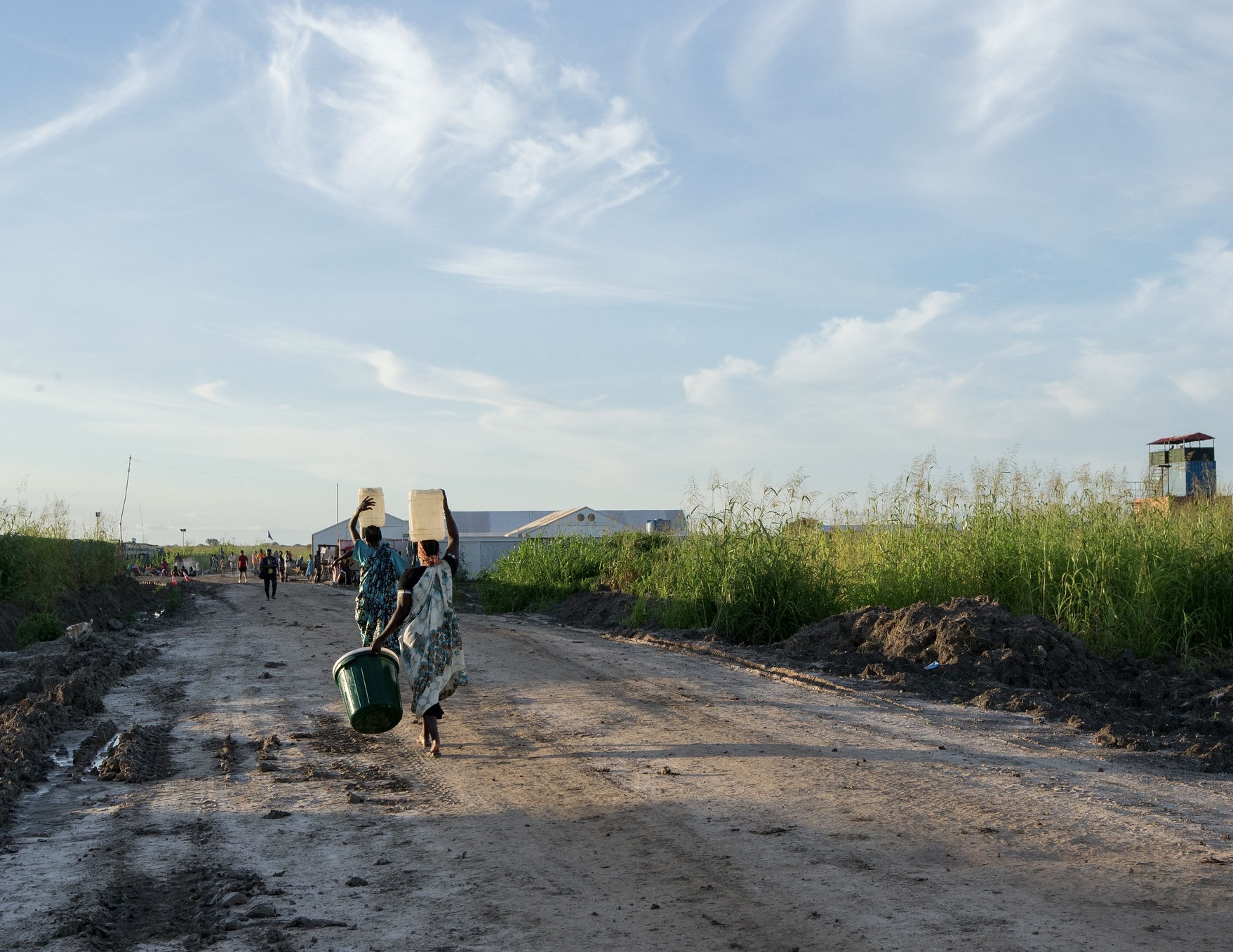
The recent surge in violence in South Sudan has sparked renewed displacement, further worsening an already severe humanitarian crisis. Since January 2025, escalating conflict between armed groups in the greater Upper Nile region has profoundly impacted communities, disrupted essential services, and forced civilians, already burdened by displacement and food insecurity, to seek safety elsewhere.
This escalation highlights the complex and interconnected nature of South Sudan’s crisis, where insecurity and displacement reinforce each other. The persistent effects of climate change, such as flooding and drought, continue to deepen these challenges. This article explores the sources and consequences of displacement, examining how it reshapes communities and exacerbates obstacles to civilian protection across the country.
Dimensions of Displacement
Since the conclusion of South Sudan’s latest civil war, the country has been caught in a cycle of recurrent violence, including intercommunal clashes and ongoing security attacks. The breakdown of the 2018 peace agreement, coupled with a political crisis, persistent economic instability, and escalating internal conflicts, has created a highly unstable environment. The spillover effects from the civil war in Sudan have further compounded these challenges, leading to the displacement and return of approximately 1.1 million Sudanese refugees and South Sudanese returnees, highlighting regional instability. Specifically, over 600,000 refugees have arrived in South Sudan, mostly triggered by the civil war in Sudan.
Within South Sudan, nearly 2.6 million people are displaced internally. This is due to interconnected factors including conflict and violence and rising insecurity, coupled with the impacts of climate-related events, such as flooding and drought. Over 2.5 million South Sudanese refugees and asylum-seekers reside in neighboring countries in the region. Due to the escalating conflict and tensions, over 300,000 people have fled the country so far in 2025. The ongoing crisis underscores the persistent instability and vulnerabilities that continue to reshape communities and lives across South Sudan.
A Surge in Insecurity
South Sudan has experienced a sharp rise in insecurity, with Upper Nile emerging as a primary flashpoint this year, spreading to other regions such as Jonglei and Central Equatoria. In 2025, so far, the rising insecurity and violence has displaced approximately 445,000 people. Clashes have forced about 24,000 civilians to flee to Morobo Town and neighboring countries across borders into Uganda and the Democratic Republic of the Congo. There is a context of conflict in the Greater Upper Nile region, including Unity, Upper Nile, and Jonglei, with ongoing violence in the form of intercommunal clashes and raids on communities and cattle.
Intensified clashes between official military forces and the White Army in Upper Nile led to large-scale airstrikes. The situation further deteriorated when militia forces overran an army base in Nasir, marking a concerning shift in the security landscape. In June 2025, Warrap State and Mayom County in Unity State declared a temporary state of emergency amid rising communal violence and insecurity. Additional armed clashes across Upper Nile, Jonglei, and several Equatoria regions were intensified by repeated airstrikes. This continued violence, often accompanied by inter-communal clashes, has deepened the cycle of displacement, with at least 100,000 individuals seeking refuge outside the country.
There is a clear connection between climate events, localized violence, and displacement. Climate-related disruptions—such as flooding and drought—alongside conflicts driven by cattle raiding and communal clashes, continue to fuel both internal and cross-border displacement. These environmental stressors destabilize communities, especially among pastoralists reliant on natural resources, further intensifying violence and prolonging the cycle of insecurity in South Sudan.
Cycle of Flooding, Conflict, and Mobility
Flooding disrupts livelihoods and mobility, while cattle raids and attacks, often with ethnic undertones, worsen existing tensions, extending into Equatoria, where displaced herders clash with long-standing farmers. Climate shocks, including droughts and increased rainfall, have undermined food security and heightened competition over scarce resources, such as land and water, which can often escalate into local conflicts and retaliatory intercommunal violence.
Increasingly over the past six years, communities in South Sudan, many displaced by conflict, have repeatedly evacuated due to recurring floods, driven by heavy rains and rising waters. The Greater Upper Nile region, including Jonglei, Upper Nile, and Unity, remains highly vulnerable, with some areas flooding twice in a year.
Cumulatively, around 1.4 million people are affected across 22 counties and the Abyei region, with 379,000 displaced in 2024 alone. The severe flooding, as of October 2025, has displaced over 95,000 people and affected more than 961,000 people, comprising 26 counties across six states, with Jonglei and Unity State being the most impacted. This dynamic is exemplified by critical incidents like the dyke breach in Jonglei that flooded Old Fangak, displacing residents and damaging homes and infrastructure. The current flood exposure is still significantly above the historical average in South Sudan, representing an increased and cumulative crisis.
As flooding increases in frequency and severity, its complex relationship with ongoing insecurity threatens to deepen the dual displacement crisis. The cumulative impact of recurrent floods has displaced civilians and entire communities in some of the most flood- and conflict-affected regions, leaving them increasingly vulnerable. Many of these individuals were already displaced by conflict and are now facing the ongoing effects of previous floods. Overcrowding at relocation sites further heightens tensions among displaced families, often fueling existing conflicts.
For example, Unity State, a flood-prone region in the north, has experienced persistent inundation since 2020, leading to widespread displacement. Impassable roads have hindered the delivery of food and essential aid, forcing humanitarian organizations to rely on alternative methods such as air and boat assistance. The situation has worsened with the escalation of conflict, as armed groups engage in looting and extortion along the White Nile river since 2022. The Bentiu camp, home to over 112,000 internally displaced persons (IDPs) and built on elevated dykes, remains vulnerable as rising waters threaten to breach containment and mitigation measures. Many IDPs from previous years still have not been able to return home, emphasizing the ongoing challenges faced by these communities.
Persistent flooding underscores how recurrent, extreme weather events are transforming communities and landscapes, threatening long-term stability. Each rainy season drives water levels higher, worsening the crisis. Concerns are growing that some communities may never recover their lands, as climate-induced displacement risks escalate into a large-scale, potentially permanent crisis—possibly the first instance of mass displacement directly linked to climate change.
The Human Toll of the Crisis
The combined impacts of climate shocks and insecurity have far-reaching effects on civilians in South Sudan. Ongoing insecurity disproportionately endangers women and children, potentially exposing them to high risks of violence.
Hostilities severely disrupt humanitarian efforts, as aerial bombings and safety risks have forced aid organizations to withdraw staff, shut down treatment facilities, and halt distributions. Due to ongoing clashes and movement restrictions in Upper Nile and other regions, humanitarian access to approximately 65,000 new IDPs in affected communities is heavily limited. For example, in Panyijiar County, further airstrikes have displaced over 29,000 people and caused the temporary relocation of humanitarian personnel. The conflict has also resulted in the closure of key river routes used by traders and aid organizations to deliver supplies to northern areas, further impeding access.
Coupled with this, a combination of flooding and heavy rainfall has damaged infrastructure and rendered key transportation routes inaccessible, primarily impacting Upper Nile, Jonglei, and the Greater Pibor Administrative Area. Major roads, including critical routes leading to Juba where advanced medical care is available, have been cut off. As the rainy season approaches, road conditions continue to worsen. Physical barriers have restricted essential supply routes, significantly complicating humanitarian assistance for civilians, including IDPs.
Persistent violence and flooding have interrupted health services in several counties, markedly diminishing access to essential medical care. In May, MSF documented that its clinic in Old Fangak, one of the few operational health facilities remaining in northern Jonglei, came under shelling. The subsequent month, armed attackers targeted Morobo County Hospital in Central Equatoria, one of only two functional health centers serving 150,000 people, destroying ambulances and looting critical medical supplies.
Flooding has also damaged health facilities and destroyed infrastructure, further limiting access to services and supply routes. This September, authorities in the Greater Pibor Administrative Area declared a state of emergency due to widespread flooding affecting all counties. These incidents highlight the increasing risks faced by medical services in conflict and climate-affected areas.
These challenging conditions have significantly heightened the threat of waterborne diseases, with a record surge in cholera cases affecting over 12,000 internally displaced people and 3,100 refugees as of August 2025. Many IDPs, already fleeing conflict, reside in overcrowded sites with strained resources, while those in the bush or swamps face especially harsh conditions. Overcrowding, poor sanitation, and limited access to clean water increase the risk of further outbreaks, particularly amid ongoing cholera transmission. Conditions with stagnant water and inadequate sanitation also heighten the risk of additional diseases. Overcrowded displacement sites have also fueled intercommunal tensions, and damage to essential services forces those already grappling with displacement, disease, and food insecurity to move again. Limited health access exacerbates these challenges, especially impacting women and maternal and neonatal health.
In the wake of extreme weather events and armed conflict, displaced children and youth face significant challenges in accessing and completing their education, leading to disruptions and limited future opportunities. Schools are susceptible to being destroyed during airstrikes, which have increased given the latest insecurity. In November 2021, floods damaged over 100 schools in Unity State, affecting more than 60,000 students. Overall, flooding has damaged, closed, or obstructed access to over 500 schools nationwide, hampering education and increasing overcrowding in remaining facilities. Other interconnected impacts of climate change, such as unprecedented heatwaves, further disrupt education by forcing schools to close temporarily, which heightens protection risks including recruitment into criminal and armed groups. Girls are especially at risk, as displacement exacerbates existing barriers to their education and increases their risk of sexual or gender-based violence and early and forced marriages.
According to UNICEF’s Children’s Climate Risk Index, South Sudan ranks among the highest globally in children’s exposure and vulnerability to climate hazards. Ongoing crises have worsened an already severe hunger emergency and urgent food shortages, disproportionately affecting children. Conflict among armed groups has severely disrupted essential services, leading to food shortages and increasing the risk of famine. Years of widespread flooding have further destroyed livelihoods, especially in displaced communities. Women, who rely heavily on natural resources for food, water, and daily essentials, are particularly impacted, as they are often responsible for farming and collecting water and firewood.
The compounding challenges, persistent food insecurity, poor health outcomes, and limited access to education, could last for years or even generations, disproportionately affecting IDPs, given the dire conditions they frequently live in.
Recommendations for the Protection of Civilians
Civilians, bearing the heaviest burden of these interconnected crises, face an uncertain future amid escalating insecurity and climate-related threats that uniquely impact displaced populations. Addressing these overlapping challenges must be a top priority, with a focus on protecting the safety and well-being of civilians. Safeguarding human security requires urgent, immediate action, prioritizing the importance of civilian-led, nonviolent mechanisms as central to protection strategies—particularly in contexts where these crises intersect. Therefore, policymakers and practitioners should consider the following:
- Addressing the long-term challenges faced by civilians, including IDPs, requires recognizing the close link between climate and conflict. Protecting their well-being, safety, and dignity must guide all support efforts. Moving beyond reactive emergency responses, emphasis should shift to prevention strategies against conflict and violence and exposure to climatic impacts that prioritize civilian needs and promote long-term stability. Support to South Sudan must go beyond relief, including robust initiatives that holistically address human security concerns.
- Regional and global partners must remain engaged, providing sustained assistance that specifically empowers local monitors and grassroots organizations—who are best positioned to advocate for civilian priorities in South Sudan, especially those of IDPs and their host communities. Emphasizing the importance of empowering local civilian leadership in protection efforts helps foster resilience and builds local capacity to address future crises. This could include enhancing the protection of civilians by supporting small-scale, locally-led infrastructure projects, such as farming initiatives and construction and rehabilitation of dykes and raised roads.
- Integrating civilian protection into climate change response plans is vital, especially considering the increasing scope of climate change in South Sudan, in which IDPs are uniquely vulnerable to the impacts of. This includes increasing funding for community-based initiatives, to build comprehensive approaches that address both threats simultaneously. Protection strategies that overlook the deep linkages between climate impacts and conflict are likely to be ineffective or even harmful.
- Militarized security interventions can exacerbate and escalate risks from climate change to civilians, particularly IDPs, including women and children. Governments, international organizations, and multilateral bodies, including the United Nations, must embed practices to mitigate the adverse impacts of climate change, such as early warning systems, disaster risk reduction policies, and climate change adaptation programming, into their civilian protection and conflict resolution policies, which would help to prevent future displacement and insecurity.
By aligning efforts with these priorities, stakeholders can significantly strengthen the protection of civilians, especially in the face of interconnected and escalating crises.
Rachel Stromsta is a Rising Expert for Africa with the Young Professionals in Foreign Policy (YPFP). Previously, she has served as an International Protection Officer with the Nonviolent Peaceforce in South Sudan. She holds a Bachelor of Arts in Political Science, with a concentration in Human Rights and Humanitarianism, from Macalester College.
KEYWORDS: Displacement, Conflict, Climate Change, South Sudan, IDPs
Selected bibliography
ICRC. (2025). South Sudan: Over 445,000 people displaced by armed conflict as funding dries up. https://www.icrc.org/en/news-release/south-sudan-over-445000-people-displaced-armed-conflict-funding-dries
Nonviolent Peaceforce. (2022). Responding to Crisis Multiplied: Climate, Conflict, and Unarmed Civilian Protection. https://nonviolentpeaceforce.org/wp-content/uploads/2022/04/Climate_Crisis_UCP.pdf
OCHA. (2025). South Sudan: Flooding Situation Flash Update No. 8 (As of 24 October 2025). https://reliefweb.int/report/south-sudan/south-sudan-flooding-situation-flash-update-no-8-24-october-2025
UNHCR. (2025). Escalating conflict in South Sudan forces many thousands to flee just as aid dwindles. https://www.unhcr.org/us/news/press-releases/escalating-conflict-south-sudan-forces-many-thousands-flee-just-aid-dwindles
UN News. (2025). South Sudan at risk of return to war, UN investigators warn. https://news.un.org/en/story/2025/10/1166218