Solutions from the Start: Adapting the Deliverables for Humanitarian Country Teams to Ensure Better Outcomes for Internally Displaced Persons – Learnings from Responses in Iraq, Syria, and Yemen

This paper examines how early responses to internal displacement crises in Iraq, Syria, and Yemen have utilised best practice guidance from the durable solutions approach, by engaging with government actors and other authorities as well as contributing to space for longer-term programming and the eventual realisation of solutions to displacement.
Published on July 11, 2024
Amy Rodgers and Matthew Hemsley | all, IDPs, Development, Humanitarian, Solutions, United Nations
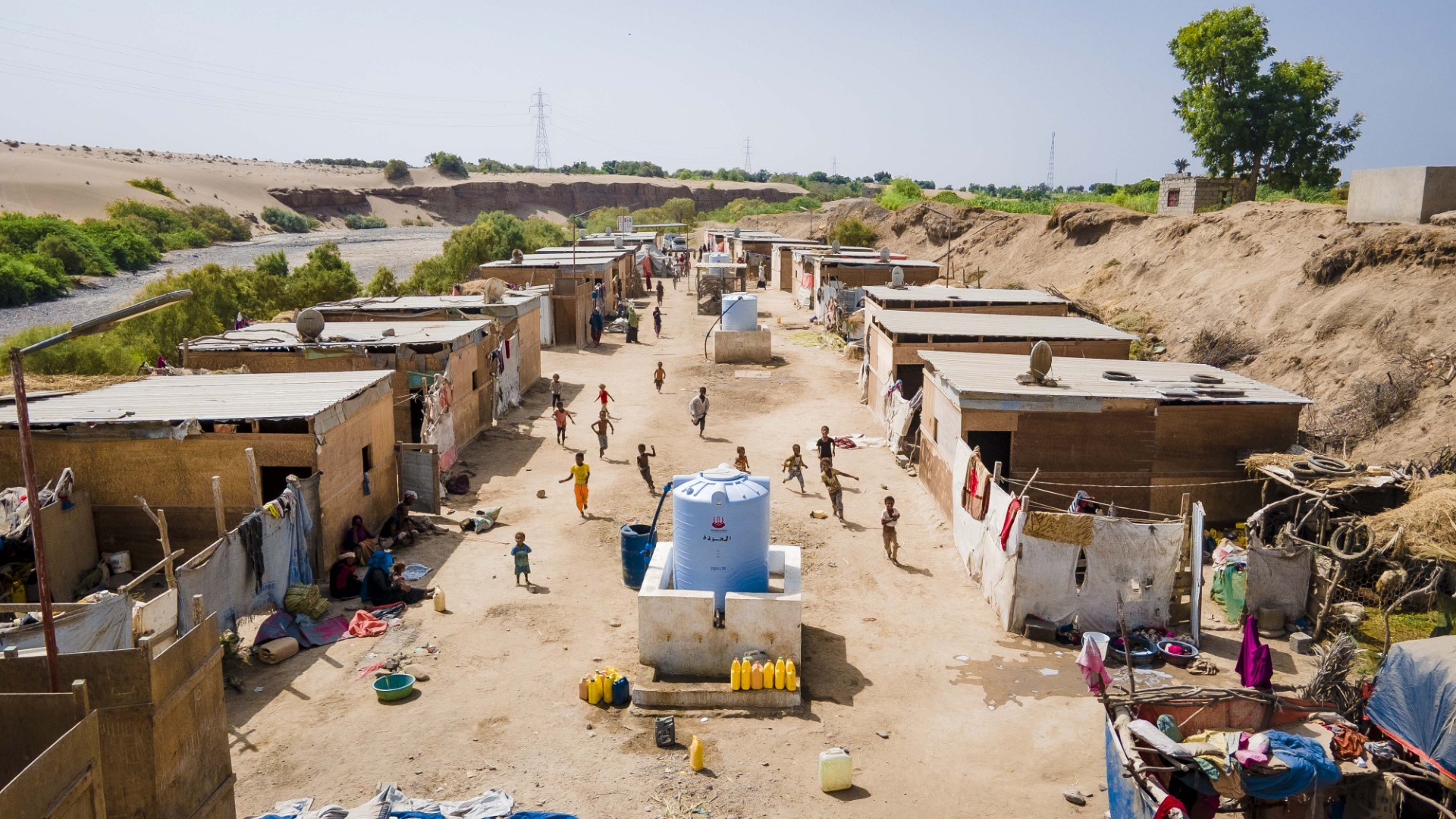
Yemen. Settlement where IDPs live 2023 © Mahmoud Al Flistini

Yemen. Settlement where IDPs live 2023 © Mahmoud Al Flistini

Through interviews with practitioners who worked in these responses in their early years, the paper concludes that solutions thinking was not considered within the formative years of a Humanitarian Country Team (HCT) being set up, nor was there strategic engagement with national authorities on issues related to solutions. The paper concludes that more emphasis should be placed on translating decades of collective experience into improved implementation rather than, as some in the industry suggest, developing a new framework for solutions programming. This would include that HCTs be requested to develop strategies for the achievement of solutions in their first twelve months and to bring more technical expertise on solutions into humanitarian responses at an early stage.

KEYWORDS: Durable solutions; internal displacement; UNSG Action Agenda on Internal Displacement; UN Special Adviser on Solutions to Internal Displacement; conflict displacement; humanitarian response; humanitarian country team; development response; humanitarian-development-peacebuilding nexus; localisation; capacity-building; Iraq; Syria; Yemen.

Amy Rodgers currently coordinates the Middle East Durable Solutions Platform, after having joined the Platform as a policy specialist in March 2022. Prior to this Amy set up and managed the advocacy and research department at a Syrian-led organisation operating out of Shatila refugee camp in Beirut and worked as the Syria advocacy and policy manager for an international NGO. Amy holds an LLM in Criminology and Law and an MA in Nationalism Studies, and co-authored seven publications on displacement-related topics.

Since late 2021, Matthew Hemsley has led Danish Refugee Council’s advocacy work across the Middle East region, developing a regional advocacy approach that seeks to ensure progress towards durable solutions of IDPs and refugees across the region. Previously he worked as an Advocacy Manager for an international NGO in both Iraq and Syria, based in Damascus, two complex internal displacement crises, and is the co-author of two published policy papers on aspects of the aid response in Syria. He has a BSc in International Relations.

HOW TO CONTRIBUTE

Researching Internal Displacement publishes engaging and insightful short pieces of writing, artistic and research outputs, policy briefings and think pieces on internal displacement.

We welcome contributions from academics, practitioners, researchers, officials, artists, poets, writers, musicians, dancers, postgraduate students and people affected by internal displacement.

By Steven Miron, Dyuti Tasnuva Rifat, Tanjib Islam | Oct 21, 2025
Foregrounding the voices of people living in three different communities of displacement in Bangladesh, this field research and advocacy report examines the nexus of climate change, loss and damage and displacement. This comprehensive report highlights promising interventions by Bangladeshi civil society organisations that have helped internally displaced people (IDPs) living in protracted displacement move toward durable solutions. It also examines positive developments on the policy front, including Bangladesh's fledgling National Strategy on Internal Displacement Management (NSIDM). At the same time, it calls attention to how Bangladesh's protracted displacement crisis remains under acknowledged and therefore under addressed in national policy and programming. The findings and recommendations in this report are intended to inform the UNFCCC's Loss and Damage mechanism – the Fund for Responding to Loss and Damage (FRLD), the Santiago Network for Loss and Damage (SNLD) and the Warsaw International Mechanism (WIM) ExCom, including its Taskforce on Displacement. Each must urgently demonstrate its commitment to addressing the growing displacement crisis and supporting durable solution programming. The report's findings and recommendations are also relevant to intergovernmental, governmental and civil society organisations working in and outside Bangladesh. Furthermore, the report suggests how conventional durable solutions approaches to displacement must evolve to remain relevant in a world of escalating losses and damages resulting from climate change.
By Ana Paredes Marín y Alejandra Barrios Ariano | Jul 3, 2025
Este documento de trabajo muestra que las experiencias de desplazamiento forzado interno de mujeres en el Corredor Seco de Guatemala evidencian cómo los eventos hidrometeorológicos, como huracanes y sequías, agravan las desigualdades estructurales entre esas, la de género.