Women’s Experiences of Internal Displacement and Relocation in the context of Hydrometeorological Events in Communities of the Dry Corridor of Guatemala

This Working Paper shows that women's experiences of forced internal displacement in Guatemala's Dry Corridor reveal how hydrometeorological events, such as hurricanes and droughts, exacerbate structural inequalities, including gender inequalities.
Published on July 3, 2025
Ana Paredes Marín y Alejandra Barrios Ariano | lanid, IDPs, Disaster, Climate, Americas (inc Caribbean)
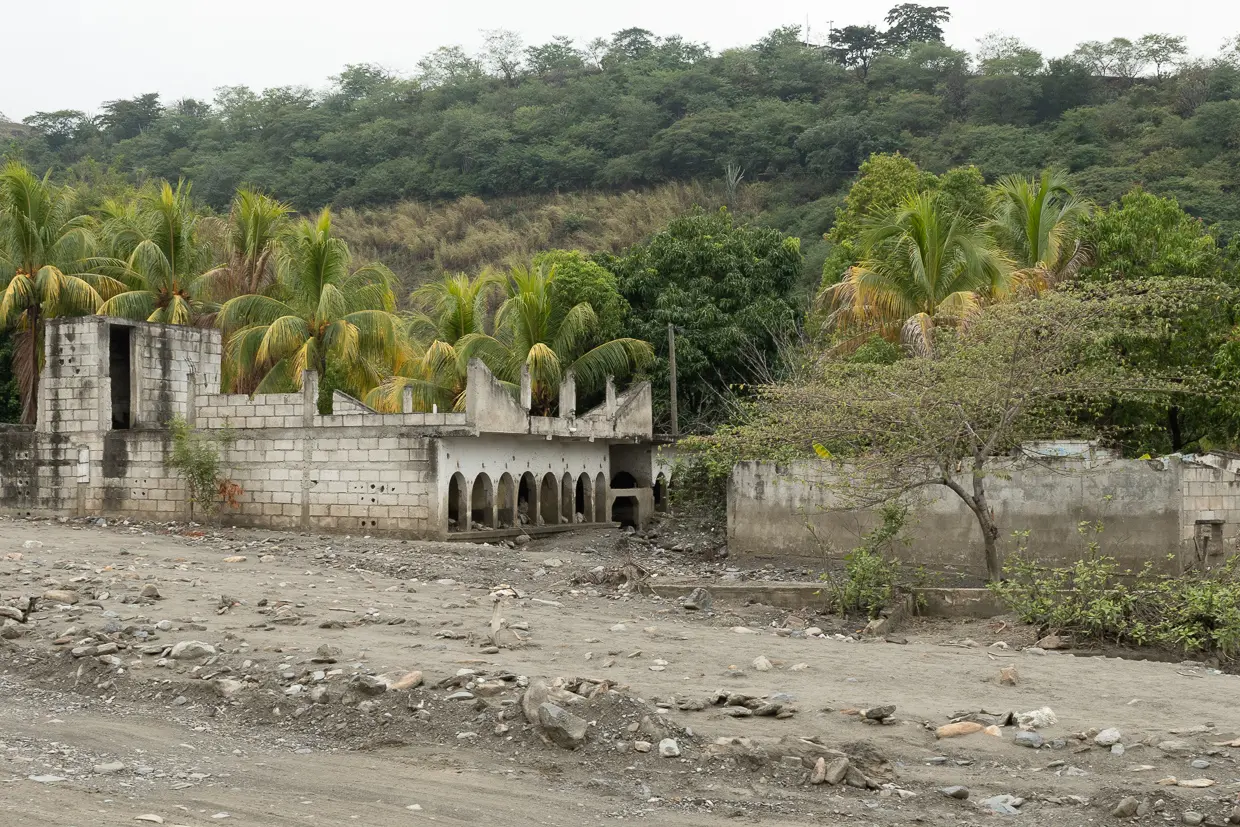
El Arenal, Guatemala. Houses destroyed by landslide. 2022 © Department of Global and Territorial Dynamics Studies, Rafael Landívar University

El Arenal, Guatemala. Houses destroyed by landslide. 2022 © Department of Global and Territorial Dynamics Studies, Rafael Landívar University

It uses case studies of the causes and consequences of internal forced displacement in El Arenal, Agua Zarca, and Miramundo  to highlight how structural vulnerabilities, environmental degradation, and lack of territorial planning amplify the risks in this region. This paper demonstrates that, in the context of relocation processes and faced with limited institutional support, communities – and especially women – that are affected by socio-environmental disasters linked to hydrometeorological events (rain and drought) turn to family and community networks to finance relocations and to cope with the effects of displacement and disasters. As central figures in the sustainability of families and communities, women face a disproportionate burden due to their role in rebuilding living conditions and managing resources in highly precarious environments impacted by recurring climatic events in their communities.

KEY WORDS: Dry Corridor, internal forced displacement, hydrometeorological events, displaced women, relocation

Ana Paredes Marin holds a Master’s degree in Political Sociology with research experience in internal forced displacement, collective action, informal politics, territorial planning, and the environment. She is a Research Fellow at the Institute for Research in Socio-Humanistic Sciences (ICESH) at Rafael Landívar University, Guatemala.

Alejandra Barrios Ariano is an Anthropologist with research experience in human mobility, climate change, gender, and education. She is a Research Assistant for the project “Knowledge and Impact on Causes, Effects, and Management for the Transformation of Internal Forced Displacement in Guatemala” at the Institute for Research in Socio-Humanistic Sciences (ICESH) at Rafael Landívar University, Guatemala.

HOW TO CONTRIBUTE

Researching Internal Displacement publishes engaging and insightful short pieces of writing, artistic and research outputs, policy briefings and think pieces on internal displacement.

We welcome contributions from academics, practitioners, researchers, officials, artists, poets, writers, musicians, dancers, postgraduate students and people affected by internal displacement.

By Steven Miron, Dyuti Tasnuva Rifat, Tanjib Islam | Oct 21, 2025
Foregrounding the voices of people living in three different communities of displacement in Bangladesh, this field research and advocacy report examines the nexus of climate change, loss and damage and displacement. This comprehensive report highlights promising interventions by Bangladeshi civil society organisations that have helped internally displaced people (IDPs) living in protracted displacement move toward durable solutions. It also examines positive developments on the policy front, including Bangladesh's fledgling National Strategy on Internal Displacement Management (NSIDM). At the same time, it calls attention to how Bangladesh's protracted displacement crisis remains under acknowledged and therefore under addressed in national policy and programming. The findings and recommendations in this report are intended to inform the UNFCCC's Loss and Damage mechanism – the Fund for Responding to Loss and Damage (FRLD), the Santiago Network for Loss and Damage (SNLD) and the Warsaw International Mechanism (WIM) ExCom, including its Taskforce on Displacement. Each must urgently demonstrate its commitment to addressing the growing displacement crisis and supporting durable solution programming. The report's findings and recommendations are also relevant to intergovernmental, governmental and civil society organisations working in and outside Bangladesh. Furthermore, the report suggests how conventional durable solutions approaches to displacement must evolve to remain relevant in a world of escalating losses and damages resulting from climate change.
By Ana Paredes Marín y Alejandra Barrios Ariano | Jul 3, 2025
Este documento de trabajo muestra que las experiencias de desplazamiento forzado interno de mujeres en el Corredor Seco de Guatemala evidencian cómo los eventos hidrometeorológicos, como huracanes y sequías, agravan las desigualdades estructurales entre esas, la de género.
By Marco Puzzolo | May 15, 2025
This study contributes to the literature on conflict-driven displacement in post-colonial States. Focusing on the case study of Kenya, it examines internal displacement from a historical and decolonial perspective, analysing the interplay of colonial legacies, ethnicity, political violence, and land. While recent displacements in Kenya have been driven primarily by weather-related disasters, the paper argues that the underlying causes of contemporary conflict displacements are deeply rooted in ethno-political violence stemming from the country’s colonial history.