
The reality of people and even whole communities having to move due to adverse conditions has become one of the consequences of the present climate emergency. Although displacement, particularly evacuations intended to save lives, is justified in many situations, there are instances where displacement is used as ‘cover’ for something else. A catastrophic event in Barbuda, triggered by the 2017 Hurricane Irma disaster, provides insight into this other side of displacement.
"For the first time in 300 years, there’s not a single living person on the island of Barbuda". These were the words of Ronald Sanders, the ambassador of Antigua and Barbuda to the United States. He made this statement in the aftermath of Hurricane Irma and proceeded to make the case that the hurricane caused extensive damage, rendering the island, in his words and those of the administration he represents, “uninhabitable”. This conclusion, that an entire island was not fit to support its people, was arrived at even before official assessments were made by the relevant international agencies.
Examining the haste to condemn an entire population to move reveals the true motives behind the forced removal. The ambassador’s statement was, in fact, false. It was untrue that there was not a single living soul remaining on the island. While the real motive behind the mandatory evacuation order was, indeed, to ensure not a single living Barbudan person remained on the island, many Barbudans became suspicious and remained, despite efforts by armed security personnel to remove them. The other pertinent fact was that during this period of mandatory evacuation, others, including potential investors, construction workers and military personnel, were all allowed free, unrestricted access to the island – something which Barbudans were not permitted until they challenged what was happening. Even then, as a result of speaking out, Barbudans were eventually only allowed access to the island for a few hours per day to clean up and remove personal items from their homes. After their visits, they were forced to return to the ferry to be taken back to Antigua under threat of arrest or worse.
With regard to habitability, neither the ambassador nor the administration which he represents were qualified to make such a determination on behalf of a community without even seeking their opinion on the matter. Yet this was just the opening salvo, a crafted narrative for justifying what was to come. The central government administration of Antigua and Barbuda was, in fact, preparing to invoke the discredited doctrine of colonialism: terra nullius, “land belonging to nobody”. It sought to impose on Barbuda another version of modern colonial extractivism: displacement capitalism.
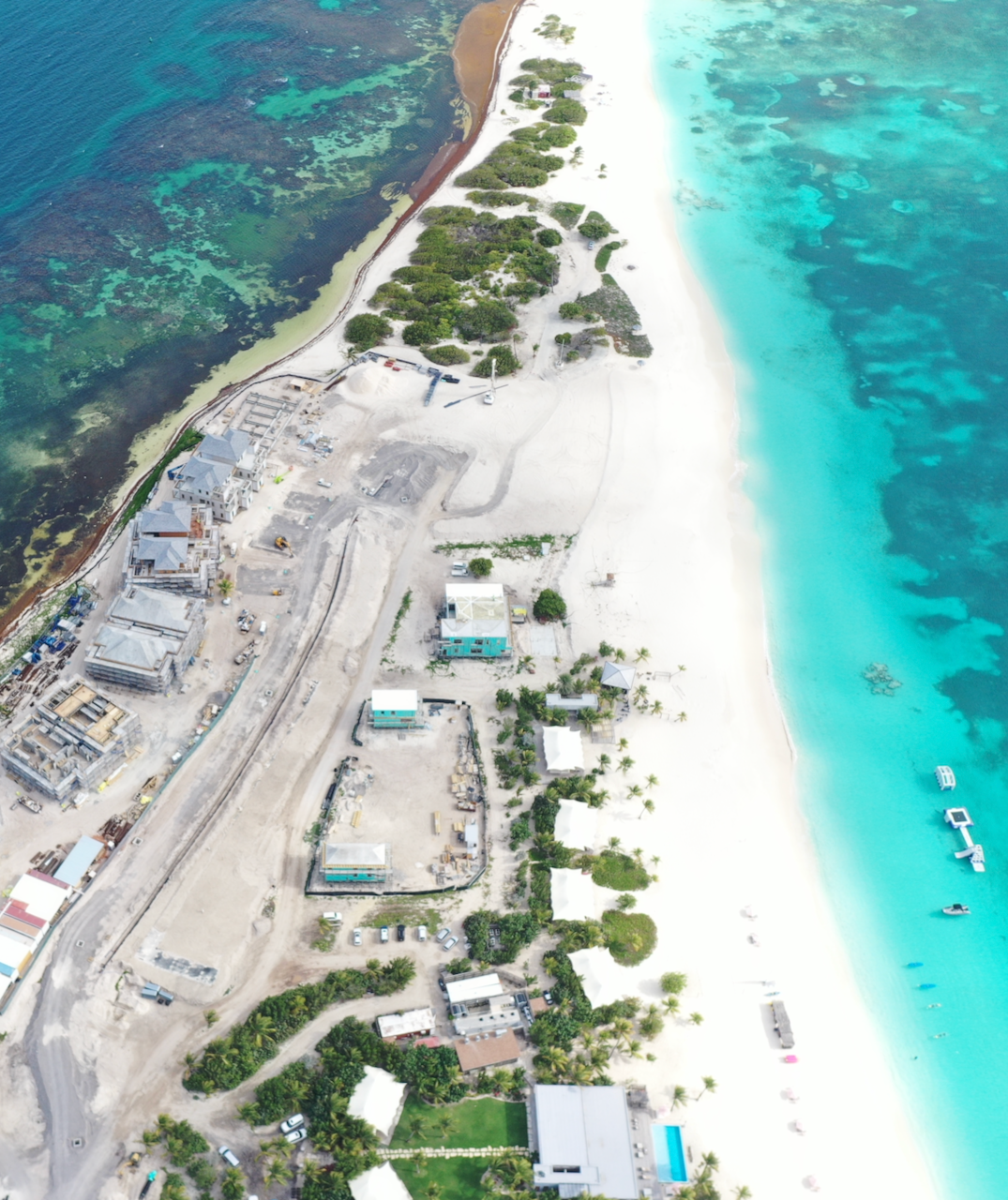
The policy decisions taken regarding recovery in the aftermath of the 2017 hurricane did not include adequate consultation with or input from the people directly affected by the crisis. Instead of focusing on the needs of the Barbudan community, the focus shifted to their land. Efforts were made to use Parliament to change laws so the land could be utilised for redeveloping the island for the benefit of others. The stated intent was to create a luxury real-estate market catering to the exclusive private lifestyles of millionaires. The pathway had to be cleared for this to happen. People had to move. Displacement paved the way to declare terra nullius.
Here, we see the ‘dark’ side of displacement. The collective vision of the People of Barbuda for a sustainable future, based on the collective rights and equitable access to the island's resources, was to be brushed aside and replaced with the vision of a "Jumby Bay on steroids". Jumby Bay is a privately owned offshore island accessible only to its millionaire homeowners and the workers who maintain their establishments. The prime minister of Antigua and Barbuda used these very words while speaking publicly about ‘his’ plans for Barbuda, which in his mind, would be a version of exclusivity that surpassed that of Jumby Bay.
The Barbudan community resisted the central government’s deracination agenda by refusing to accept or conform to the official, manufactured narrative. The voices from the ground demanded to be heard and included in the decision-making process. The community was not prepared to quietly accept others’ ideas of habitability. It projected its voices through the “BarbudaSilentNoMore” page on Facebook and other social media sites. “BarbudaSilentNoMore” also engages with local and international media workers.
Eight years later, Barbudans continue their resistance through legal challenges and other means, starting with the judicial review of the circumstances surrounding the construction of an international airport. The matter reached the Privy Council after 7 years in the lower courts. A precedent-setting decision was handed down in favour of the Barbudan claimants, paving the way for the initial challenge to continue in the lower courts. This was followed by a challenge to the building of private residences purportedly for the British royal family on Cedar Tree Point in the internationally recognised and protected Frigate Bird Sanctuary zone. The matter has been heard by the judge, and a decision is pending.
In May of 2024, the central government administration ploughed ahead with its agenda by declaring the whole of Barbuda to be an adjudication section to finally force through land privatization. In 2023, it used its majority in Parliament to amend the Land Adjudication Act so that the law could apply to Barbuda. This was done without any input from the people of Barbuda. In effect, it declared that land in Barbuda was equivalent to land in Antigua and therefore subject to a common land management system. A constitutional challenge was launched in the courts to stop this in its tracks, and the majority of Barbudans have refused to participate in the process. In January 2025, as ancestral farmlands were cleared, purportedly for a housing scheme which Barbudans knew nothing about, riot police of the special security unit were deployed to Barbuda, heavily armed with assault weapons to deter any protest and guard heavy-duty equipment.
Most recently, the administration announced plans to relocate the island’s only port to make way for the construction of a private marina to facilitate a luxury real estate scheme covering over 150 acres, with around 77 real estate units for sale. No other justification was provided for the relocation of the port facility. This, too, is being resisted by the Barbuda Council and the people of Barbuda.
This year’s 8th anniversary of the Hurricane Irma disaster was marked by a community that has still not fully recovered and continues to battle the larger disaster the event precipitated. The challenges have strengthened the resolve of the people of Barbuda and helped forge alliances with other communities facing similar situations. It is now clear that we are much stronger together (https://www.strongercaribbeantogether.org) and that displacement capitalism is best resisted by building awareness and working from a common front.
John Mussington is a retired Educator, marine biologist, naturalist, community advocate and master beekeeper. He has been involved with increasing public awareness of conservation issues, taking ideas and concerns to local media outlets and to international organizations and audiences. He advocates to influence public policy in Barbuda as a leader in organizations such as the Barbuda Council, Barbuda Farmers Cooperative and Barbuda Land Rights & Resources Committee. Mr. Mussington advocates to promote awareness of sustainable development issues in order to influence policies that conserve the natural and built environments.
KEYWORDS: Barbuda, Displacement, IDPs, Disasters, Development, Antigua and Barbuda
Selected Bibliography
BOAS, I., WIEGEL, H., FARBOTKO, C., WARNER, J. & SHELLER, M. 2022. Climate mobilities: migration, im/mobilities and mobility regimes in a changing climate. Journal of Ethnic and Migration Studies, 48 (14), 3365-3379.
FARBOTKO, C., BOAS, I., KITARA, T. & ANISIMOV, A. 2024. Climate Mobility Justice, the Right to Stay, and the Problem with Mobility Regimes. Researching Internal Displacement. Available: https://researchinginternaldisplacement.org/wp-content/uploads/2024/05/Farbotko_Climate-Justice_190624.pdf
GEORGE, E. 2023. ‘Jumby Bay on steroids’: PM unveils plan to develop Barbuda into luxury island. Observer.
THE GUARDIAN. 2023. ‘Billionaire club’: the tiny island of Barbuda braces for decision on land rights and nature. The Guardian.