A Place to Call Home: Securing Durable Solutions for Internally Displaced People in South Sudan and Somalia

The number of internally displaced people (IDPs) in the world today is higher than ever, with limited prospects of durable solutions for many. While a ‘patchwork’ of international norms and institutions attempt to guide responses to internal displacement, these do not always present a consistent view. This paper seeks to explore the different approaches to securing durable solutions for IDPs used by national authorities and international actors in two countries with large populations of displaced people: South Sudan and Somalia. In doing so, it attempts to contribute to the relatively limited existing literature on this topic.
Published on November 21, 2024
Abigayil Parr | genida, IDPs, Solutions, International organisations, State
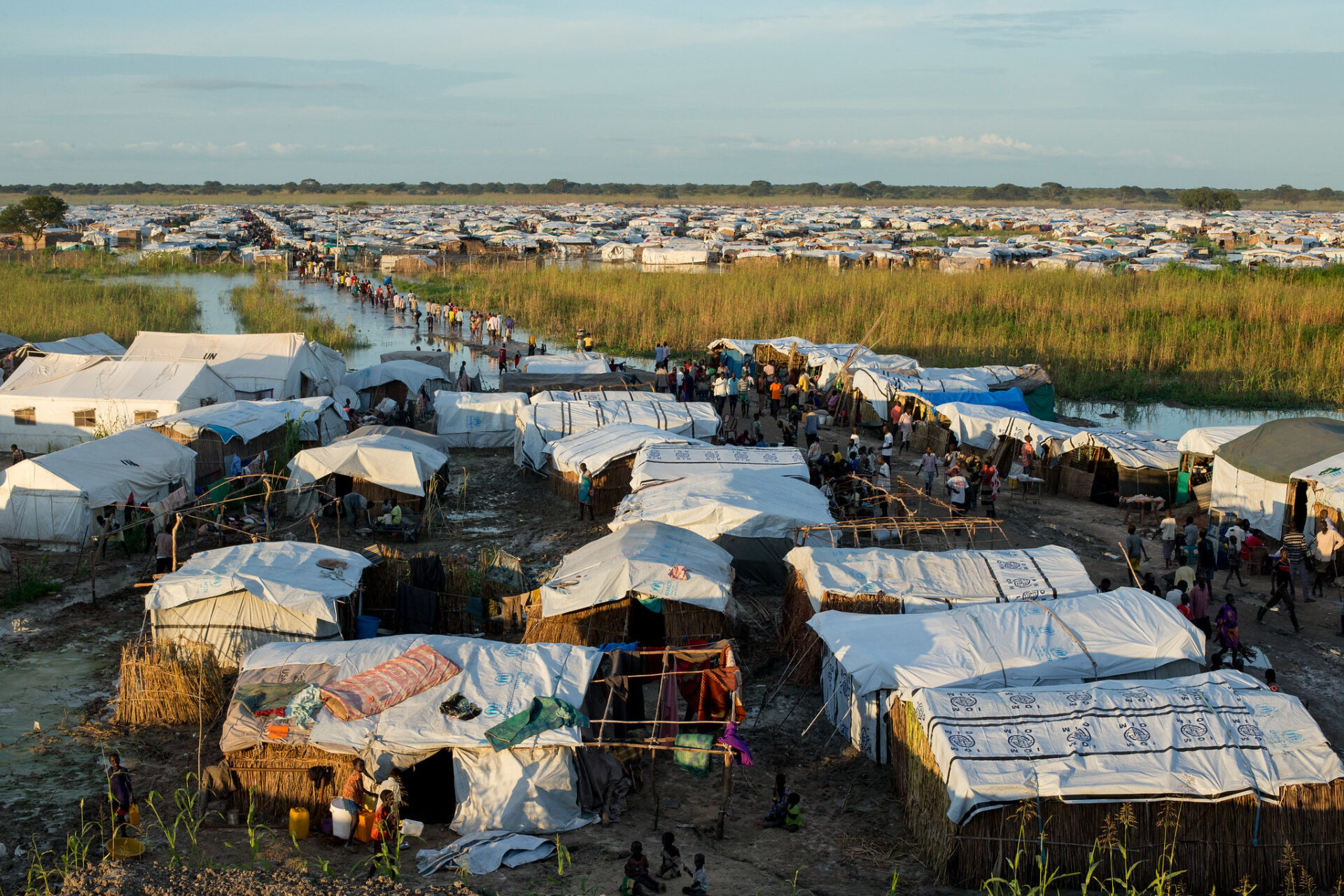
South Sudan. Protection of Civilian site hosting IDPs in Bentiu 2014 © UN/ JC McIlwaine

South Sudan. Protection of Civilian site hosting IDPs in Bentiu 2014 © UN/ JC McIlwaine

Beginning with an analysis of international norms, frameworks and initiatives on durable solutions, the paper finds that international approaches to durable solutions for IDPs can be categorised into three groups, broadly representing three stages of an evolution in how solutions are understood. Next, by examining publicly available documents produced by governments and international actors in South Sudan and Somalia, the research explores various legal, policy and material interventions that aim to secure durable solutions in the two countries.

The paper finds that the approaches to resolving displacement of both national and international actors demonstrate relatively close adherence with international frameworks. Furthermore, in line with international initiatives, interventions in South Sudan and Somalia aiming to secure solutions for IDPs have undergone a broad shift towards development-oriented, ‘whole of society’ approaches which attempt to address aspects of displacement across the humanitarian-development-peace nexus. Nevertheless, the paper concludes that the alignment of country-level interventions with international norms and standards on resolving internal displacement may have negative implications, as this alignment can result in over-ambitious programmes or ‘rhetorical’ commitments.

Abigayil Parr is a graduate of the MA in Refugee Protection and Forced Migration Studies at the University of London. She currently works for the United Nations Department of Political and Peacebuilding Affairs in New York and previously spent several years in Kenya and Sudan with UNHCR.

The views expressed in this paper are those of the author and do not necessarily reflect the views of the United Nations.

HOW TO CONTRIBUTE

Researching Internal Displacement publishes engaging and insightful short pieces of writing, artistic and research outputs, policy briefings and think pieces on internal displacement.

We welcome contributions from academics, practitioners, researchers, officials, artists, poets, writers, musicians, dancers, postgraduate students and people affected by internal displacement.

By Steven Miron, Dyuti Tasnuva Rifat, Tanjib Islam | Oct 21, 2025
Foregrounding the voices of people living in three different communities of displacement in Bangladesh, this field research and advocacy report examines the nexus of climate change, loss and damage and displacement. This comprehensive report highlights promising interventions by Bangladeshi civil society organisations that have helped internally displaced people (IDPs) living in protracted displacement move toward durable solutions. It also examines positive developments on the policy front, including Bangladesh's fledgling National Strategy on Internal Displacement Management (NSIDM). At the same time, it calls attention to how Bangladesh's protracted displacement crisis remains under acknowledged and therefore under addressed in national policy and programming. The findings and recommendations in this report are intended to inform the UNFCCC's Loss and Damage mechanism – the Fund for Responding to Loss and Damage (FRLD), the Santiago Network for Loss and Damage (SNLD) and the Warsaw International Mechanism (WIM) ExCom, including its Taskforce on Displacement. Each must urgently demonstrate its commitment to addressing the growing displacement crisis and supporting durable solution programming. The report's findings and recommendations are also relevant to intergovernmental, governmental and civil society organisations working in and outside Bangladesh. Furthermore, the report suggests how conventional durable solutions approaches to displacement must evolve to remain relevant in a world of escalating losses and damages resulting from climate change.
By Ana Paredes Marín y Alejandra Barrios Ariano | Jul 3, 2025
Este documento de trabajo muestra que las experiencias de desplazamiento forzado interno de mujeres en el Corredor Seco de Guatemala evidencian cómo los eventos hidrometeorológicos, como huracanes y sequías, agravan las desigualdades estructurales entre esas, la de género.