Durable Solutions for Internally Displaced Persons in Sudan and Somalia

This paper analyses how durable solutions for IDPs are implemented in Sudan and Somalia from the perspective of security, Housing Land and Property rights, as well as policies and coordination structures. It further explores the challenges and different options for durable solutions in both countries.
Published on November 25, 2021
Samundra Acharya | genida, IDPs, Conflict, Violence, Solutions, Africa

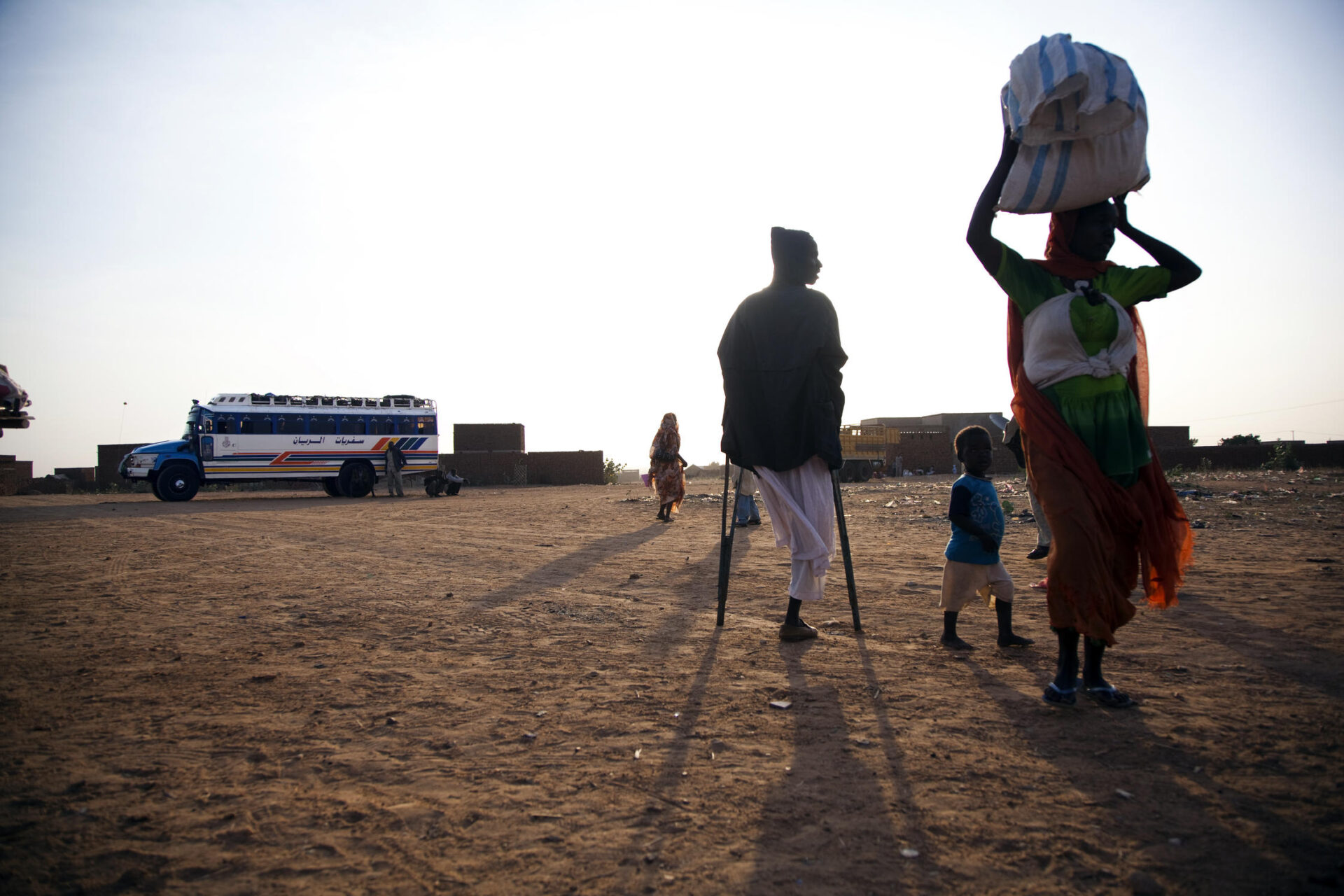
Sudan. Displaced Sudanese Prepare for Return to West Darfur. 7 December, 2010 © UN/Albert Gonzalez Farran

Sudan and Somalia have come a long way in managing the crisis of internal displacement that affects each of the two countries. This study therefore examines how are durable solutions operationalized in Sudan and Somalia from the perspective of security, Housing Land and Property (HLP) rights, policies and coordination structures, as well as the translation of these policies into projects. The study finds that IDPs in these countries show some similarity in attaining durable solutions, notably that IDPs prefer to remain in urban locations despite improved security situations in rural areas of the countries. Both countries have distinct vulnerabilities for HLP-related matters. In Sudan, especially in Darfur, HLP issues are dealt with through the customary tenure that does not guarantee the full protection to concerned parties, whereas in Somalia forced eviction is a major issue for HLP-related matters. Furthermore, the study finds that Somalia has rolled out relevant policies and rules for IDPs and durable solutions, establishing coordination systems that run across all relevant ministries and humanitarian counterparts. As a result, numerous projects and activities are implemented in Somalia along with the development of learning and accountability framework.

Samundra Acharya is a humanitarian worker with a keen interest in forced displacement, durable solutions and protection aspects of displacement affected populations. She holds a MA in Refugee Protection and Forced Migration Studies from the University of London. She has worked with international organisations in places such as Nepal, South Sudan, Somalia, Kenya and Bangladesh. 

This paper was written by the author during her Summer Fellowship on Internal Displacement at the Internal Displacement Research Programme at the Refugee Law Initiative. The Fellowship was supported by the Arts and Humanities Research Council, on behalf of the UKRI Global Challenge Research Fund, as part of the funded project “Interdisciplinary Network on Internal Displacement, Conflict and Protection” (AH/T005351/1).

HOW TO CONTRIBUTE

Researching Internal Displacement publishes engaging and insightful short pieces of writing, artistic and research outputs, policy briefings and think pieces on internal displacement.

We welcome contributions from academics, practitioners, researchers, officials, artists, poets, writers, musicians, dancers, postgraduate students and people affected by internal displacement.

By Steven Miron, Dyuti Tasnuva Rifat, Tanjib Islam | Oct 21, 2025
Foregrounding the voices of people living in three different communities of displacement in Bangladesh, this field research and advocacy report examines the nexus of climate change, loss and damage and displacement. This comprehensive report highlights promising interventions by Bangladeshi civil society organisations that have helped internally displaced people (IDPs) living in protracted displacement move toward durable solutions. It also examines positive developments on the policy front, including Bangladesh's fledgling National Strategy on Internal Displacement Management (NSIDM). At the same time, it calls attention to how Bangladesh's protracted displacement crisis remains under acknowledged and therefore under addressed in national policy and programming. The findings and recommendations in this report are intended to inform the UNFCCC's Loss and Damage mechanism – the Fund for Responding to Loss and Damage (FRLD), the Santiago Network for Loss and Damage (SNLD) and the Warsaw International Mechanism (WIM) ExCom, including its Taskforce on Displacement. Each must urgently demonstrate its commitment to addressing the growing displacement crisis and supporting durable solution programming. The report's findings and recommendations are also relevant to intergovernmental, governmental and civil society organisations working in and outside Bangladesh. Furthermore, the report suggests how conventional durable solutions approaches to displacement must evolve to remain relevant in a world of escalating losses and damages resulting from climate change.
By Ana Paredes Marín y Alejandra Barrios Ariano | Jul 3, 2025
Este documento de trabajo muestra que las experiencias de desplazamiento forzado interno de mujeres en el Corredor Seco de Guatemala evidencian cómo los eventos hidrometeorológicos, como huracanes y sequías, agravan las desigualdades estructurales entre esas, la de género.