Echoes from the Past, Shadows on the Present: Colonial Legacies and Internal Displacement in Kenya

This study contributes to the literature on conflict-driven displacement in post-colonial States. Focusing on the case study of Kenya, it examines internal displacement from a historical and decolonial perspective, analysing the interplay of colonial legacies, ethnicity, political violence, and land. While recent displacements in Kenya have been driven primarily by weather-related disasters, the paper argues that the underlying causes of contemporary conflict displacements are deeply rooted in ethno-political violence stemming from the country’s colonial history.
Published on May 15, 2025
Marco Puzzolo | genida, IDPs, Conflict, Violence, Politics
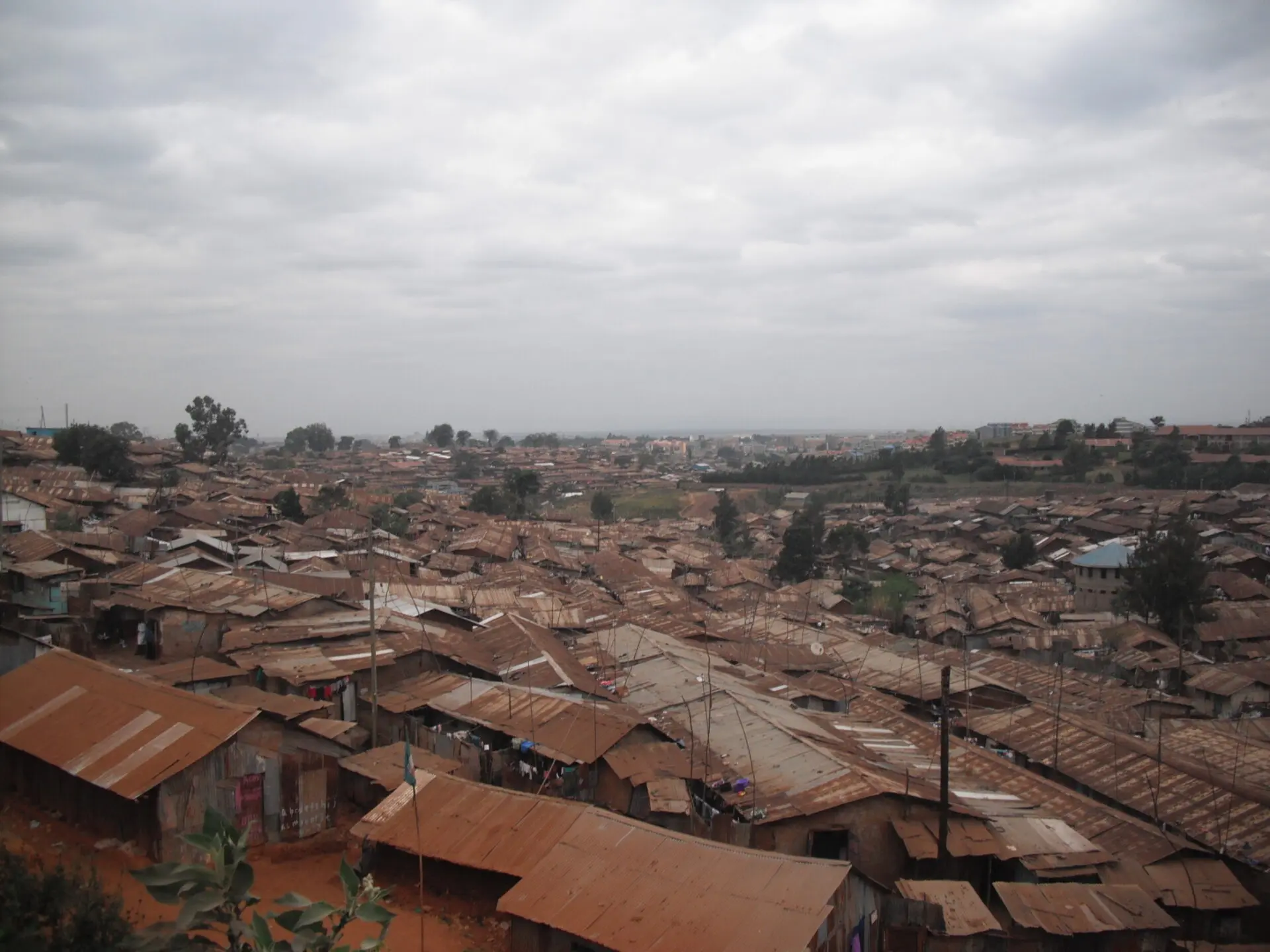
Nairobi, Kenya. Kibera informal settlement. 2010 © Marco Puzzolo

Nairobi, Kenya. Kibera informal settlement. 2010 © Marco Puzzolo

The 2007-08 post-election crisis marked the country’s most severe displacement event in recent decades. Although this shocked most international observers, who had considered the country a bastion of stability in East Africa, a closer look at Kenya’s history reveals that ethno-political violence was not new and has occurred with similar patterns since the reintroduction of multiparty politics in the 1990s. Previous studies have focused on short-term political factors, while this research highlights the role of historical land grievances and colonial practices, which have fuelled ethnic competition over land. Displacement caused by ethnic clashes was ultimately driven by politicians’ ability to exploit deep economic grievances that were rooted in colonial-era policies.

The central argument of this paper is that understanding current internal displacement requires examining historical and economic factors, particularly how colonial dispossession and ethnicization continue to influence post-colonial political dynamics, highlighting the need to address these issues to prevent future cycles of violence and displacement.

KEYWORDS: Colonialism, Ethnicity, Internal Displacement, Kenya, Political Violence, IDPs

Marco Puzzolo (he/him) is a humanitarian professional with over a decade of experience across Africa, Asia, the Middle East, and South America. He has worked with leading international NGOs and the UN, spending much of his career with Médecins Sans Frontières. Marco holds an MSc in Political Economy of Late Development from the LSE, with a focus on African history and development, and is currently pursuing an MA in Refugee Protection and Forced Migration Studies at the University of London.

HOW TO CONTRIBUTE

Researching Internal Displacement publishes engaging and insightful short pieces of writing, artistic and research outputs, policy briefings and think pieces on internal displacement.

We welcome contributions from academics, practitioners, researchers, officials, artists, poets, writers, musicians, dancers, postgraduate students and people affected by internal displacement.

By Gabriela Malo | Jul 22, 2026
En el Ecuador ha aumentado en la década de 2020 la actividad de grupos criminales dedicados al narcotráfico transnacional, minería ilegal y actividades complementarias. Ante la ausencia de respuestas estatales a sus problemas, un número creciente de habitantes opta por escapar. En un contexto del que se tiene escasa información, este trabajo aporta a la comprensión de un fenómeno en el que las familias dependen de su propia iniciativa y capital social para decidir si desplazarse y a dónde ir. Se analizan las responsabilidades del Estado ante el desplazamiento interno, constatando que con pocas excepciones, no existe una respuesta nacional ante este fenómeno. También se describe uno de los pocos casos de desplazamiento masivo que han tenido visibilidad pública: el caso de los indígenas Chachi en la provincia de Esmeraldas.
By Kadidjatou Sawadogo | Jun 30, 2026
The working paper examines the impact of humanitarian funding contractions on the realisation of economic and social rights of internally displaced persons (IDPs) in Haiti and South Sudan. Drawing on a human rights-based framework, documentary analysis, and key informant interviews, it analyses how reductions in humanitarian assistance affected access to adequate food and healthcare in contexts of protracted displacement, institutional fragility, and humanitarian dependence. The findings show that funding cuts reduced food assistance, disrupted health services, suspended mobile clinics, and weakened nutrition coverage for displaced populations. Humanitarian actors adopted hyper-prioritisation approaches that focused on life‑saving interventions but left significant protection and socio‑economic needs unaddressed.
By German Kim, Ekaterina Pesegova (transl.) | Jun 4, 2026
This working paper highlights the relatively unknown deportation of Soviet Koreans, the first of several state deportations based on ethnicity carried out by the Soviet Union. The forced displacement, mainly to Central Asian republics of the former Soviet Union, was highly classified during Soviet times, leading to misunderstandings and subsequent misrepresentations of the event by Western scholars and the creation of multiple inaccurate narratives, including that of ethnic cleansing. By conducting an interdisciplinary study, the author critically analyses widespread misconceptions about the deportation of the Soviet Koreans and provides objective data on the issue and its long-lasting effects on the Soviet Koreans who survived deportation and their descendants.